
Turning Point Times Fall 2025

Supporting Youth-Led Prevention
There are two different approaches to prevention efforts targeting youth: prevention for youth and youth-led prevention. Prevention for youth takes a top-down approach in which adults develop and implement programming for youth, whereas youth-led prevention is a bottom-up approach where youth are actively involved in developing and implementing programs. Both of these models are important, but youth-led prevention separates itself because it gives youth the power to create the change they want to see. Youth-led prevention is successful because:
- Youth leaders become trusted sources of information by connecting with and educating their peers about important issues.
- It empowers youth to take active roles in prevention including problem identification, planning and implementing efforts, and evaluating efforts after implementation.
- It provides opportunities for active participation in which youth create solutions and promote positive behaviors among their peers.
- Youth gain valuable skills in leadership, critical thinking, communication, problem-solving, and advocacy.
The benefits of youth-led prevention go beyond youth leaders and their peers. Adults are able to gain fresh perspectives, develop mentoring and coaching skills, and establish strong relationships with youth through building trust and mutual respect. Communities become healthier, establish a culture where young people contribute to the community, foster civic engagement from younger generations, and establish sustainable initiatives. Youth-led prevention programs have the greatest impact when communities support them. Some ways to support youth-led prevention include:
- Fostering ownership and agency. Give youth the opportunity to share ideas and make decisions.
- Provide leadership opportunities. The role of an adult mentor is to provide guidance and play a background role while youth leaders take the lead on projects.
- Encourage peer mentorship.
- Create safe and inclusive environments where all youth feel welcome to participate.
- Focus on skill development.
Youth-led prevention plays a key role in prevention because youth are able to have a greater impact on their peers than traditional prevention programming. This approach is even more impactful when adults, community members, and schools support youth efforts and allow youth leaders to make decisions. Check out the resources below to learn more about youth-led prevention programs and how you can get one started in your community.
Resources
Ohio Center of Excellence – Elevating Youth Voices: The Power of Youth-Led Prevention
Ohio Center of Excellence – Leveraging the Power of Youth-Led Programs
Prevention Action Alliance – Ohio Youth-Led Prevention Network
Introducing RIDERS
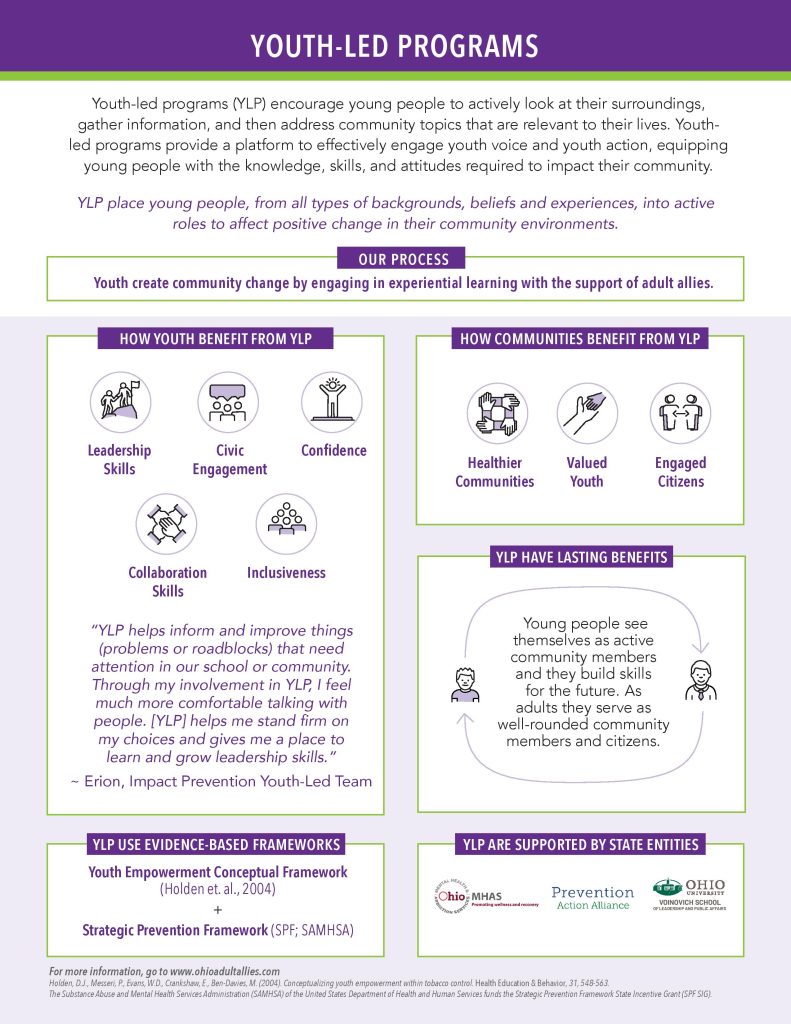
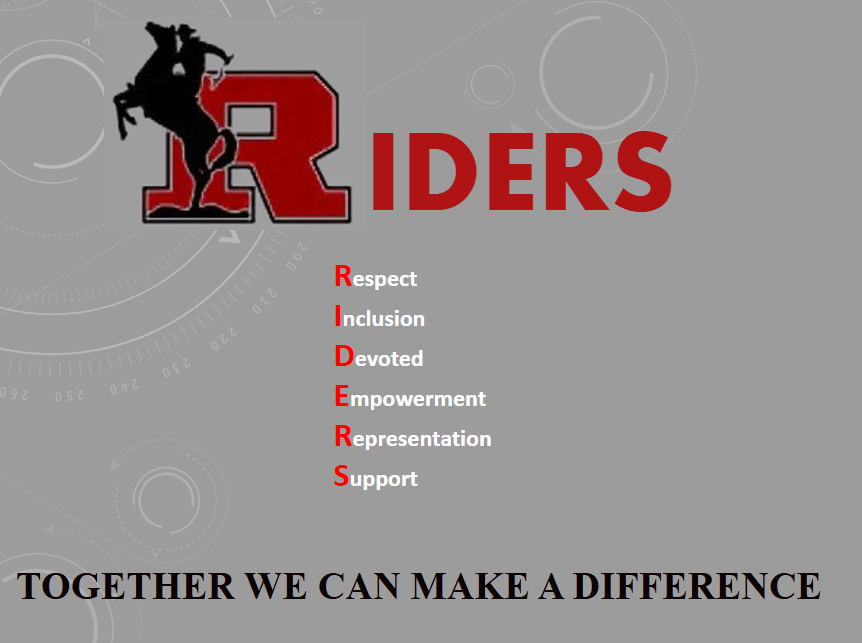
Orrville’s Teen Institute, RAPA (Riders Are Peer Advocates), is getting a rebrand. This student-led group works together to prevent substance use, build assets, and make a difference for their peers. Members have opportunities to develop leadership skills, gain community service experience, and get involved in prevention work. They are sponsored by Turning Point Coalition, and participate in a variety of service projects every year. RAPA is changing their name to RIDERS to reflect the group’s mission and character qualities of members. RIDERS stands for:
R – Respect: Fostering a culture of mutual respect and understanding among students.
I – Inclusion: Ensuring all student voices are heard and valued, promoting diversity and belonging.
D – Defense: Supporting and protecting students who may be facing challenges or difficulties.
E – Empowerment: Encouraging students to develop self-advocacy skills and to speak up for others.
R – Representation: Advocating for student interests and concerns within the school community.
S – Support: Providing peer support and a safe space for students to connect and share their experiences.
Officer Harold McCumbers is the RIDERS advisor. He is an officer with Orrville Police Department and is the school resource officer (SRO) at Orrville High School. His hard work and ideas on how to reinvigorate RAPA led to the creation of this new name and a strong start to the year. RIDERS currently has 20 members, and they are recruiting more. They have been busy this year and have more things planned for the rest of the school year. Here are some things they have accomplished and a glimpse of things to come.
- They passed out community resource cards that included information about the 988 crisis hotline, local agencies like Anazao and Catholic Charities, and direct lines for Orrville Police Department and Orrville Fire Department. They passed these out to residents at Orrville Inn, and will pass them out to other places in the future.
- They plan on partnering with Orrville’s More Than a Game and Home for the Holidays events.
- They will be serving at Five Voices on 12/20.
- They will be creating an educational video on how to use accessibility chairs on the school stairways to educate staff and students on how the chairs work, and how to assist someone in an emergency situation.
- They will be cleaning up Rails to Trails locations when the weather warms up.
- They will be creating a vaping presentation for members to present to middle school students.
RIDERS has built upon the great foundation established by RAPA, and seeing everything they have done and plan to do is exciting. Their hard work is creating meaningful change for Orrville students and the community as a whole.

 |  |  |
Turning Point Coalition (TPC) was launched in 2004 by a group of concerned citizens working to help create a community environment where youth strive to be alcohol, tobacco, and drug free. 21 years later, the coalition continues its mission with education, information, and advocacy.
Copyright © 2025 Turning Point Coalition. All rights reserved.
Our mailing address is:
Turning Point Coalition
c/o 104 Spink St.
Wooster, OH 44691
CoalitionsCommunication@gmail.com