Turning Point Times 2026 Issue One


Quarterly Update
Turning Point Coalition continues to pursue new funding opportunities and plan for a bright future. The coalition is collaborating with community partners on several efforts, including the return of Pizza & Books!
RIDERS has been hard at work on a few projects, and they plan to stay busy for the rest of the school year. Here are some highlights:

Orrville High School’s RIDERS program partnered with IncludeAbility to learn how to use a Stryker evacuation chair. These chairs are designed to carry individuals with physical disabilities or injuries in emergency situations. RIDERS members then worked with the OHS Video Production Club to create a tutorial video for students and staff. Watch the video here.
RIDERS members passed out cotton candy and 988 merchandise at Orrville High School’s More Than a Game event. They also passed out community resource cards around Orrville. These cards include information about 988, local agencies like Anazao and Catholic Charities, and direct lines to Orrville’s fire and police departments.

RIDERS has a few more activities planned for the rest of the school year including volunteering at Pizza & Books, cleaning up Rails to Trails locations, and creating an anti-vaping presentation for members to present to middle school students.

Effective Community Engagement
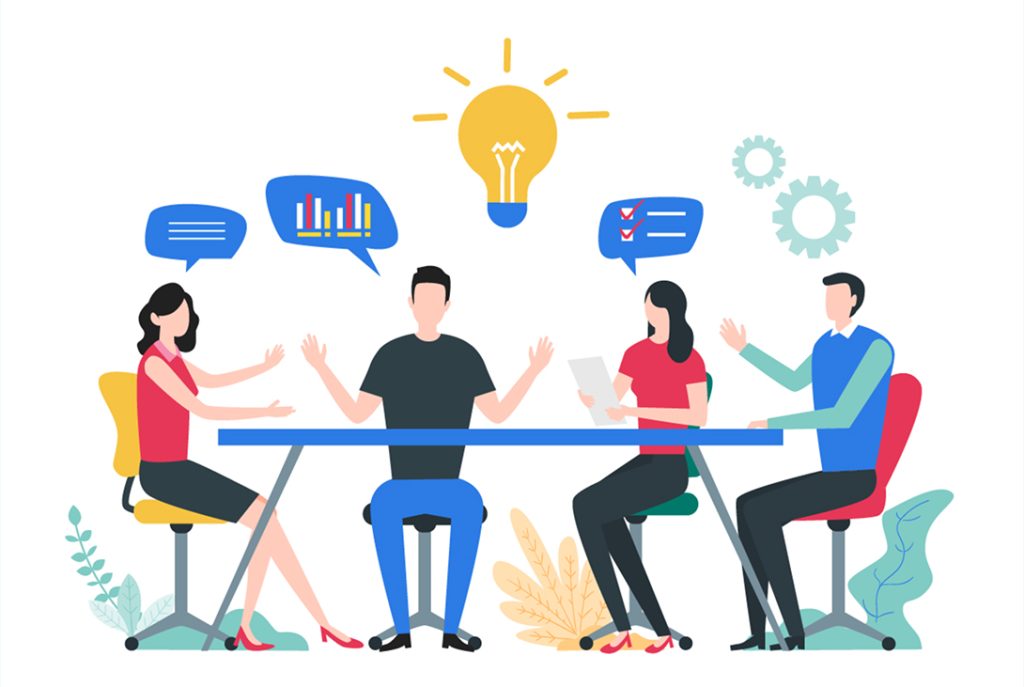
Community engagement is an important part of any organization’s success. This is particularly true for an organization like Turning Point Coalition (TPC) where membership is volunteer-based and relies on collaboration with community partners. Effective community engagement helps an organization gain insight into a community’s needs, identify initiatives that will benefit the organization and its partners, and increase support and awareness of the organization and its mission. It also fosters inclusion and social equity, and enhances the quality and sustainability of outcomes. Community engagement can be challenging, but the outcomes of building your organization and creating sustainability for the future make it worth doing.
VisibleNetworkLabs defines community engagement as, “The process of working collaboratively with and through groups of people affiliated by geographic proximity, special interest, or similar situations to address issues affecting the well-being of those people.” This may involve sharing information, building relationships, and gathering feedback in relation to the organization or project. Here are some tips to get started:
- Do your homework first to learn what the community needs, what initiatives are already in progress, and what your organization should prioritize.
- Know your stakeholders and what they value.
- Build relationships with key stakeholders and community groups through one-to-one conversations and creating connections across multiple platforms.
- Listen to opinions and feedback from stakeholders and community groups. Some ways to do this include interviews, focus groups, and roundtable discussions.
- Provide clear lines of communication so groups and stakeholders can easily get in touch with you to stay informed.
There are multiple ways to engage with a community depending on the goals, strategies, and stakeholders involved with your organization. The type of engagement you choose should be informed by what works best for the community you are working in. For example, informative engagement is a one-way form of engagement in which organizations share information with community members, whereas collaborative engagement involves community members and organizations making decisions together. Both examples will benefit the community, but they do so in different ways with different outcomes.
It can be difficult to know if your organization is having the impact you want it to. Simply Stakeholders has seven signs that you have successful community engagement:
- Awareness – The community knows who you are, what you do, and who to talk to if they want to get involved.
- Participation – Community members and stakeholders show up at events, volunteer for projects, and openly discuss issues or ask questions.
- Broader interests – Community members are invested in the good of the wider community, not just their own family or lifestyle. Another good indicator is if there is interest in long-term sustainability.
- Shared vision – The community works together toward a common goal. A good example of this is TPC collaborating with partner agencies on creating a healthy and safe community in Orrville.
- Connectedness – Large portions of the community are aware of the things going on around them like local events and government policy changes. Another good sign is people forming networks within the community based on shared interests.
- Diversity – Healthy community engagement has participation and representation from various groups within the community. TPC accomplishes this by collaborating with youth, parents, school administrators, community-serving organizations, and others.
- Change – Community-level change will happen when communities buy-in to the mission and work together toward a common goal. Change takes time so don’t be discouraged if you are not seeing progress as quickly as you hoped.
Organizations like TPC succeed because they can effectively engage the community. They have buy-in from stakeholders representing various groups in the community, and they collaborate with multiple groups on projects and goals to ensure they impact as much of the community as possible. Check out the links below to learn more about community engagement and why it is important to an organization’s success.
Resources
Simply Stakeholders – Engaging Communities: 7 Tips to Boost Participation
Simply Stakeholders – How to Encourage Community Engagement
Simply Stakeholders – 7 Signs You’re Getting Your Community Engagement Right (or Wrong)
Visible Network Labs – Community Engagement 101: Ultimate Beginner’s Guide
Monthly Parent Alerts
Parent Alerts are a monthly newsletter published by Wayne County Coalitions that provide prevention-related information for parents and youth. Topics include the latest trends in substance use prevention, asset-building resources for youth, and other interesting subjects like looking at how alcohol companies market their products to youth.
Click on the pictures below to check out the latest issues.
Please e-mail coalitionscommunication@gmail.com if you would like to be added to the Parent Alert contact list.


Pizza & Books is Back!
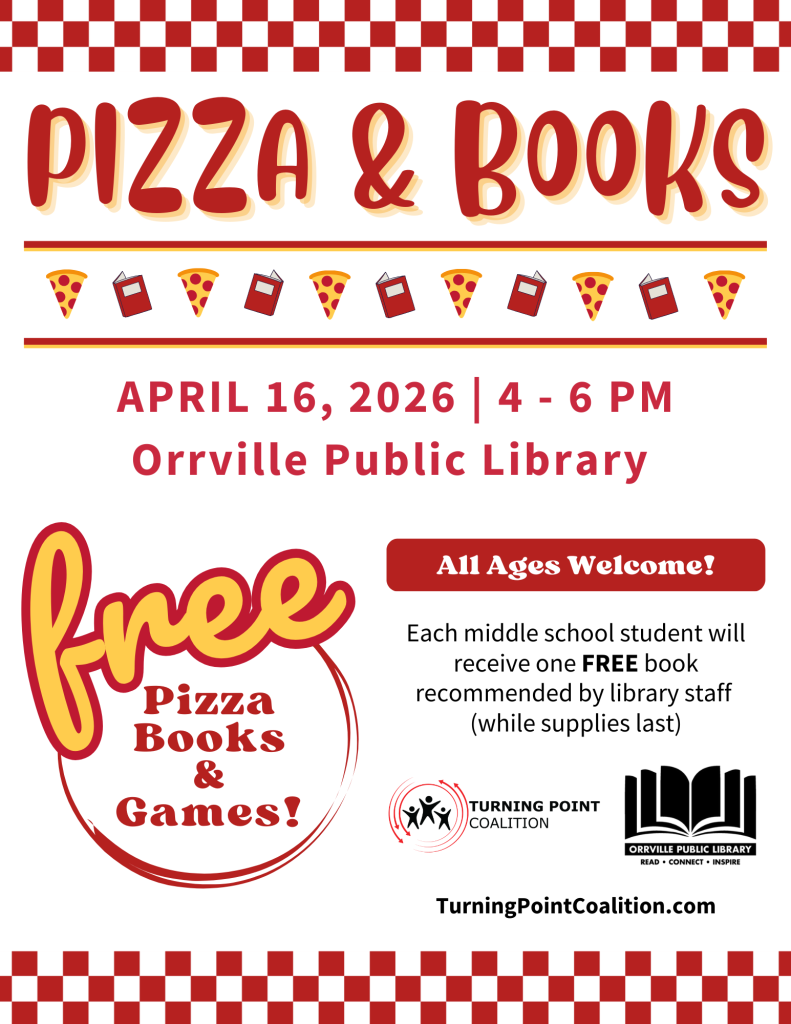
Turning Point Coalition’s annual Pizza & Books will be held at the Orrville Public Library on Thursday, April 16 from 4-6 PM.
This FREE, family-friendly event is open to all ages and will be filled with fun activities. Pizza, drinks, and other treats are part of the celebration. While supplies last, each middle school student will receive one FREE book recommended by library staff for summer reading.
Pizza & Books exists to remind families about the importance of spending quality family time together, which both strengthens family bonds and protects against risky behaviors. Reading is critical to child development and gives parents a good way to connect with youth by talking about stories and books.
The Orrville Public Library and Turning Point Coalition (TPC) will co-host this event. TPC is a community-based volunteer organization that works to create an environment that will help keep youth alcohol, tobacco, and drug free.
For more information about Pizza & Books or Turning Point Coalition, contact Robert Bean at beanr@one-eighty.org or visit us at turningpointcoalition.com.
 |  |  |
Turning Point Coalition (TPC) was launched in 2004 by a group of concerned citizens working to help create a community environment where youth strive to be alcohol, tobacco, and drug free. 22 years later, the coalition continues its mission with education, information, and advocacy.
Copyright © 2026 Turning Point Coalition. All rights reserved.
Our mailing address is:
Turning Point Coalition
c/o 104 Spink St.
Wooster, OH 44691
CoalitionsCommunication@gmail.com