Parent Alert April 2026

Alcohol: How Much is Too Much?
Alcohol is sometimes considered to be a safe substance because of the influence it has on our culture. It is part of celebrations and public events, available at most stores, and promoted in everything from the radio to movie theaters. Alcohol use has been normalized to the point that it goes beyond social acceptance and veers closer to social expectation. April is Alcohol Awareness Month which means it is the perfect time to explore our relationship with alcohol.
According to the CDC, you can improve your health and well-being by drinking less alcohol. There are some arguments that drinking alcohol in moderation can be good for your health, but those arguments are highly debated among researchers. Generally speaking, not drinking at all is better than drinking moderately. If you are going to drink, it should be in moderation. Moderate drinking is considered to be two drinks or less per day for men and one drink or less per day for women, whereas heavy drinking is averaging more than 1-2 drinks every night over the course of the week.
Many people drink alcohol socially or privately with no issues. However, it is very easy for the occasional drink at a wedding or a glass of wine with dinner to become a problem. This is especially true for people who have a family history of addiction or who struggle with mental health challenges. Brain chemistry also plays a role because alcohol releases dopamine, a hormone that boosts pleasure and relaxation. Understanding why people drink can help us recognize patterns and triggers indicating an unhealthy habit. Here are a few signs that alcohol consumption is becoming a problem:
- Not recognizing when it is time to stop drinking, or not being able to stop when you know it’s time.
- Multiple social binge drinking sessions per week.
- Engaging in drunk driving or other risky behaviors while under the influence of alcohol.
- You view alcohol as a reward, a way to relieve stress, or as a way to escape negative feelings.
- Friends or family are expressing concerns about your drinking habits.
Our society’s relationship with alcohol can make it easy to overlook the real dangers it poses, but it is important to understand the risks and recognize why you are drinking before consuming alcohol. Check out the links below to learn more.
Resources
Altruism Counseling Services – Why Do People Drink Alcohol: Exploring Triggers and Habits
CDC – About Moderate Alcohol Use
CDC – Alcohol Use and Your Health
Gateway Foundation – Social Drinking vs. Problem Drinking: What’s the Difference?
NIH – The Basics: Defining How Much Alcohol is Too Much
Rethink the Drink – How Much Alcohol is Too Much?

Solving the Puzzle: How to Build a Relationship with Your Kids and Talk to Them About Substances
We frequently use the phrase ‘Talk to Your Kids’ in our Parent Alerts, but it is more than a catchy slogan. Children who have strong, trusting relationships with their parents are more likely to avoid drinking and using other substances. Talking to your kids about drugs, alcohol, and other challenging subjects can be difficult and awkward, but it is key to helping your child make healthy decisions.
Building Connections with Your Child
Having a healthy relationship with your child is one of the best ways to support them and protect their mental health. Some parents struggle with balancing challenging aspects of parenting like discipline with creating positive connections. The Positive Parenting Project has some great advice on how to handle this challenge. They say, “If we reframe our thinking and envisage our job as parents in terms of building a good relationship with our children then that opens the door to a different dynamic and to our children learning from us in a different way.” Here are some ideas if you are struggling:
- Spend quality time with your child and focus on being in the moment.
- Have conversations that go beyond asking what they did at school that day. Share a fun story from your day or ask them about subjects that interest them.
- Focus on the positives. Let your child know when you notice them doing the right thing, and do so in a sincere way.
- Parents deal with strong emotions and have tough days just like children. Taking care of yourself will help you be more effective at connecting with your child.
When to Talk About Alcohol and Drugs
The appropriate time to talk about alcohol and drugs can change depending on the goals of the conversation. Are you trying to address concerns, or trying to share information? Consider your child’s age and if they are ready to talk about it. Try taking advantage of teachable moments or asking them what they have learned about in health class. You should also pay attention to warning signs of substance use. Check out this link for some tips on how you can help your child in that situation.
How to Talk to Your Kids
Talking about alcohol and drugs can be difficult. Here is how you can make those conversations easier and impactful:
- Come in with solid goals and make your position clear.
- Have lots of little talks rather than one big talk. This will give your child more opportunities to ask questions, and will be less intimidating for both of you.
- Be prepared for them to ask questions. You do not have to be an expert, but you should try to stay up to date on substances of concern and what they are talking about in school. Check out this link to learn how to answer questions they may ask.
- Be open and honest, and let them know why it is important to you.
- Give them the opportunity to ask questions and share their thoughts.
You are a role model for your child, and your views on alcohol and drugs affects how they think about them. Talking to your child about substances shows them you care, and allows you to make your thoughts and feelings clear. Practice makes perfect, so talk to your kids early and often.
Check out the links below to learn more.
Resources
Nemours Kids Health – Talking to Your Kids About Drugs
NIH – 8 Tips for Talking (and Listening) to Your Teens About Drugs and Alcohol
NIH – Start a Conversation: 10 Questions Teens Ask About Drugs and Health
NIH – What are the Signs of Having a Problem with Drugs?
SAMHSA – Answering Your Child’s Questions About Underage Drinking and Marijuana
SAMHSA – How to Tell If Your Child is Drinking Alcohol
SAMHSA – Why Small Conversations Make a Big Impression
Positive Parenting Project – Building a Good Relationship with Your Child
Raising Children Network – Positive Relationships for Parents and Children: How to Build Them
The Kids Mental Health Foundation – Building Connections with Kids
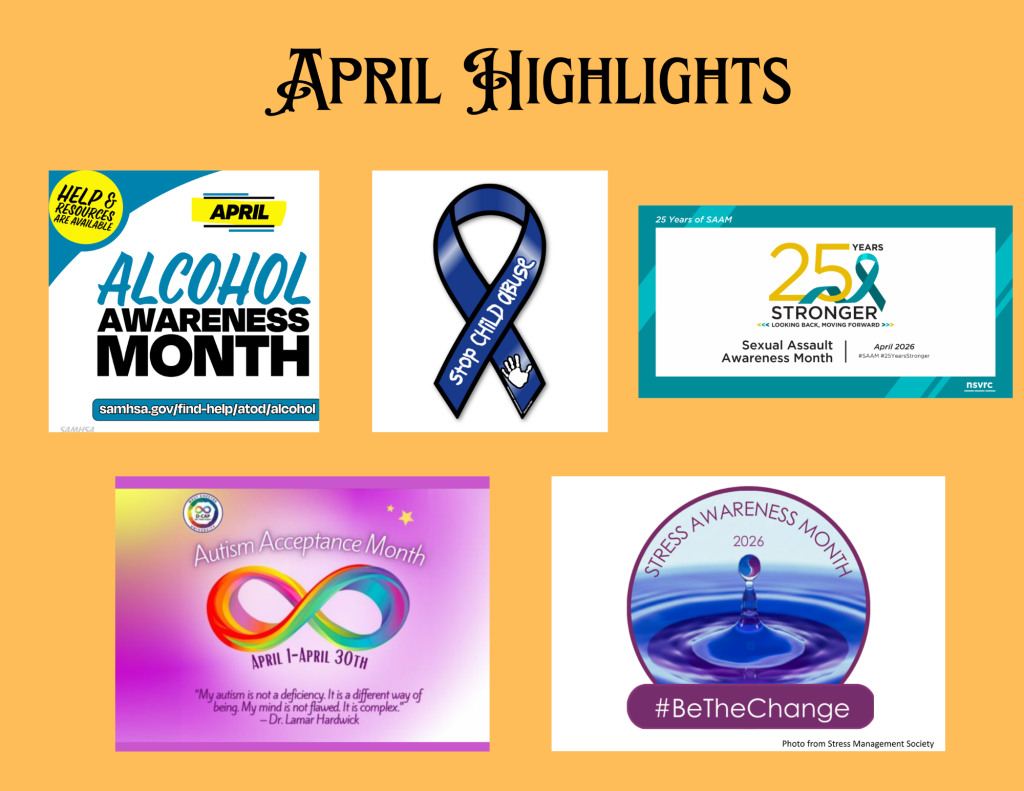
Wayne County Coalitions strives to observe the many different awareness events throughout the year that focus on mental health, substance use prevention, and other important topics. Please click on the links to learn more.

Alcohol Awareness Month: Alcohol Awareness Month is an opportunity to learn about alcohol use disorder (AUD), the impact of alcohol misuse on health and society, and how to get involved in prevention efforts. This is also a great reminder to talk to your child about alcohol and the risks of underage drinking.
NIH – April is Alcohol Awareness Month
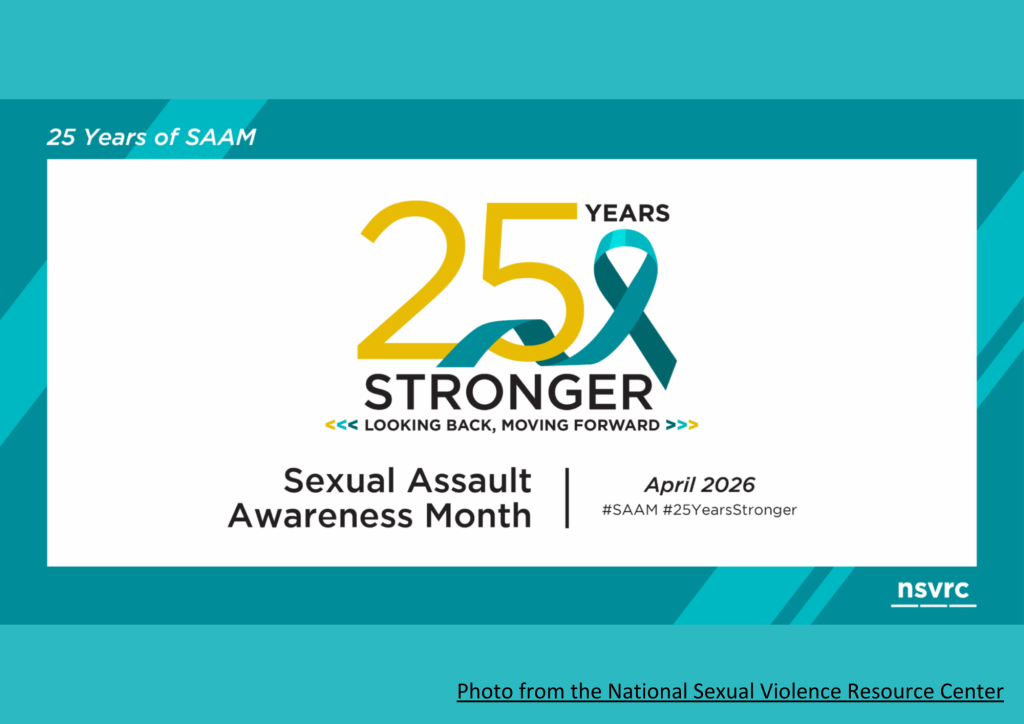
Sexual Assault Awareness Month: Sexual Assault Awareness Month is about both awareness and prevention of sexual assault, harassment, and abuse. This year’s theme, 25 Years Strong: Looking Back, Moving Forward, is a celebration of the work that has been done and a call to keep moving forward with prevention, healing, and action.
National Sexual Violence Resource Center (NSVRC) – Sexual Assault Awareness Month 2026
RAINN – Get the Facts About Sexual Assault & Rape
OneEighty – Domestic Violence & Sexual Assault Services
OneEighty Facebook Page
OneEighty 24 Hour Domestic Violence/Sexual Assault Hotline: 1-800-686-1122
National Child Abuse Awareness Month: National Child Abuse Prevention Month highlights the importance of families and communities working together to prevent child abuse and neglect. This year’s theme, Powered by Hope, Strengthened by Prevention, recognizes that families can build a brighter future for their children when they have the right support.
Child Welfare Information Gateway – National Child Abuse Prevention Month
Prevent Child Abuse America – Child Abuse Prevention Month
Autism Acceptance Month: Autism Acceptance Month is an opportunity to learn about autism spectrum disorder (ASD) while focusing on understanding, including, and celebrating individuals with autism. It is important to remember that this month aims to destigmatize the perspectives of individuals with ASD rather than focusing on the disorder itself.
CDC – Autism Partner Toolkit
Neurology Advisor – Autism Acceptance Month: The History and Impact
Stress Awareness Month: Knowing how to manage stress is an essential part of a healthy lifestyle. This year’s Stress Awareness Month theme, Be the Change, challenges us to turn awareness into action. Try some stress-relieving activities like taking a walk, meditating, or enjoying a hobby to improve your mental and physical well-being.
The American Institute of Stress – Stress Awareness Month: Tips for Keeping Tensions in Check
The Stress Management Society – Stress Awareness Month 2026
VeryWellMind – 18 Effective Stress Relief Strategies

Prevention Action Alliance’s Parents Who Host Lose the Most campaign reinforces our responsibility to promote healthy choices in our community which includes following social host liability laws to prevent underage drinking. Wayne County Coalitions will begin their annual participation in this campaign later this month by putting up yard signs and sharing educational materials. Stay tuned to learn more about this campaign and how you can support it.
Check out the link below to learn more.
Prevention Action Alliance – Parents Who Host Lose the Most

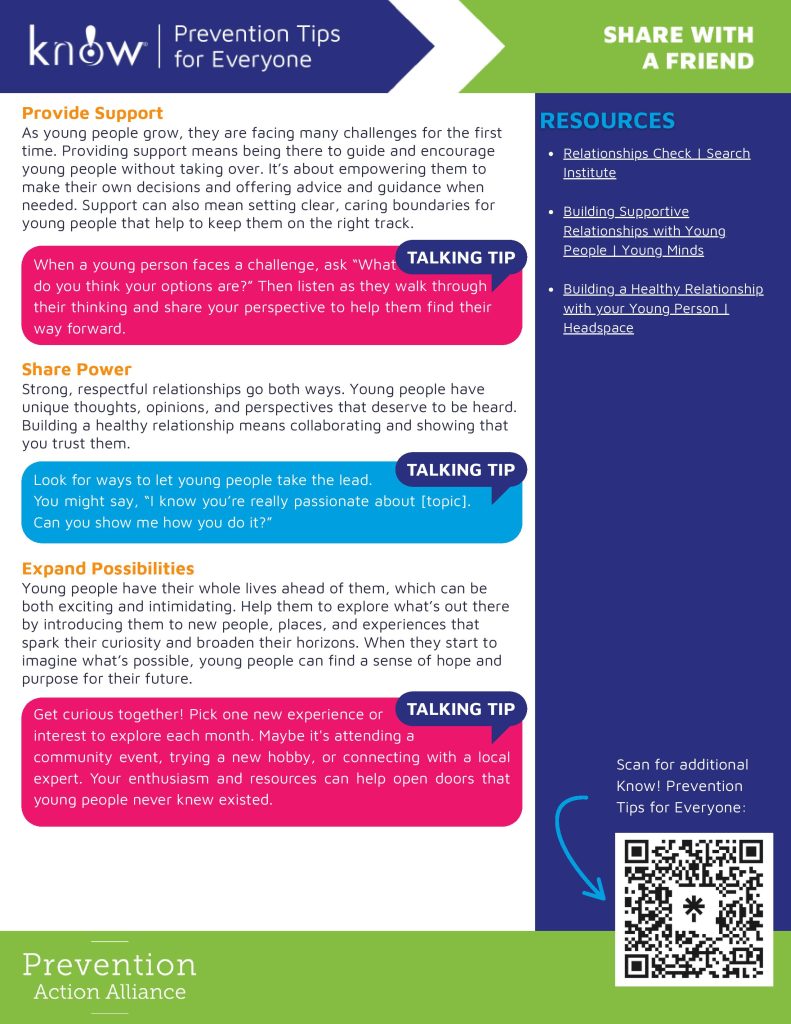
Resources
Headspace – Building a Healthy Relationship with Your Young Person
Search Institute – Developmental Relationships Framework
Search Institute – Relationships Check
Young Minds – Building Supportive Relationships with Young People
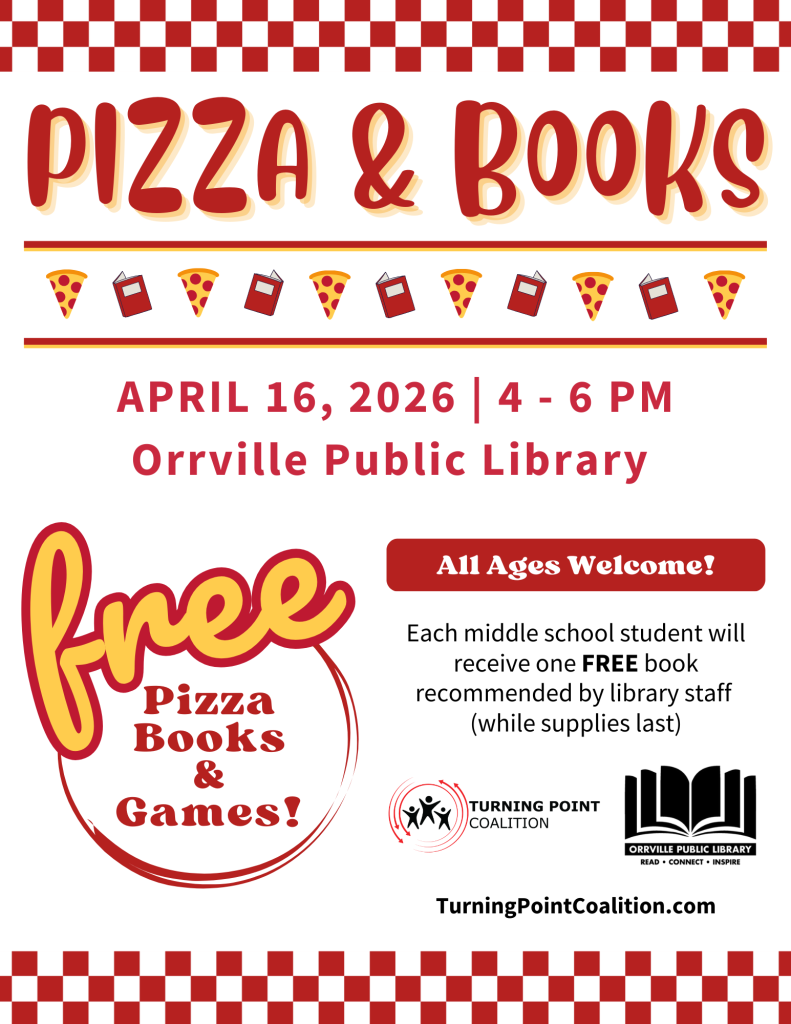
Pizza & Books is Back!
Turning Point Coalition’s annual Pizza & Books will be held at the Orrville Public Library on Thursday, April 16 from 4-6 PM.
This FREE, family-friendly event is open to all ages and will be filled with fun activities. Pizza, drinks, and other treats are part of the celebration. While supplies last, each middle school student will receive one FREE book recommended by library staff for summer reading.
Pizza & Books exists to remind families about the importance of spending quality family time together, which both strengthens family bonds and protects against risky behaviors. Reading is critical to child development and gives parents a good way to connect with youth by talking about stories and books.
The Orrville Public Library and Turning Point Coalition (TPC) will co-host this event. TPC is a community-based volunteer organization that works to create an environment that will help keep youth alcohol, tobacco, and drug free.
For more information about Pizza & Books or Turning Point Coalition, contact Robert Bean at beanr@one-eighty.org or visit us at turningpointcoalition.com.
Thank you for being a vital member of our community!
Please click on the link below to send this Parent Alert to a family member or friend. They will also have the opportunity to sign up to receive monthly Parent Alerts.
 |  |  |
Copyright © 2026 Turning Point Coalition. All rights reserved.
Our mailing address is:
Turning Point Coalition
c/o 104 Spink St.
Wooster, OH 44691
CoalitionsCommunication@gmail.com